By Newsei · Guide updated
What space coverage includes
Space news encompasses astronomy, science missions, human spaceflight, launch services, satellites, national security, and commercial activity. These subjects overlap but use different evidence. A telescope observation may be reviewed by researchers, while a launch schedule is a forecast and a company’s business projection is an estimate. Understanding the category of a story helps readers assess what is known and how it was established. A mission can have scientific, operational, and political dimensions, each supported by different sources.
Space projects often involve governments, universities, contractors, and international partners. Agencies such as NASA and the European Space Agency publish mission information, technical updates, and scientific results. Their materials are valuable primary sources, though interpretations should be distinguished from independent analysis. Companies publish launch and service announcements, while regulators issue licenses and safety requirements. A complete account may consult several of these sources rather than relying on a promotional description or a single dramatic image.
Launches and launch systems
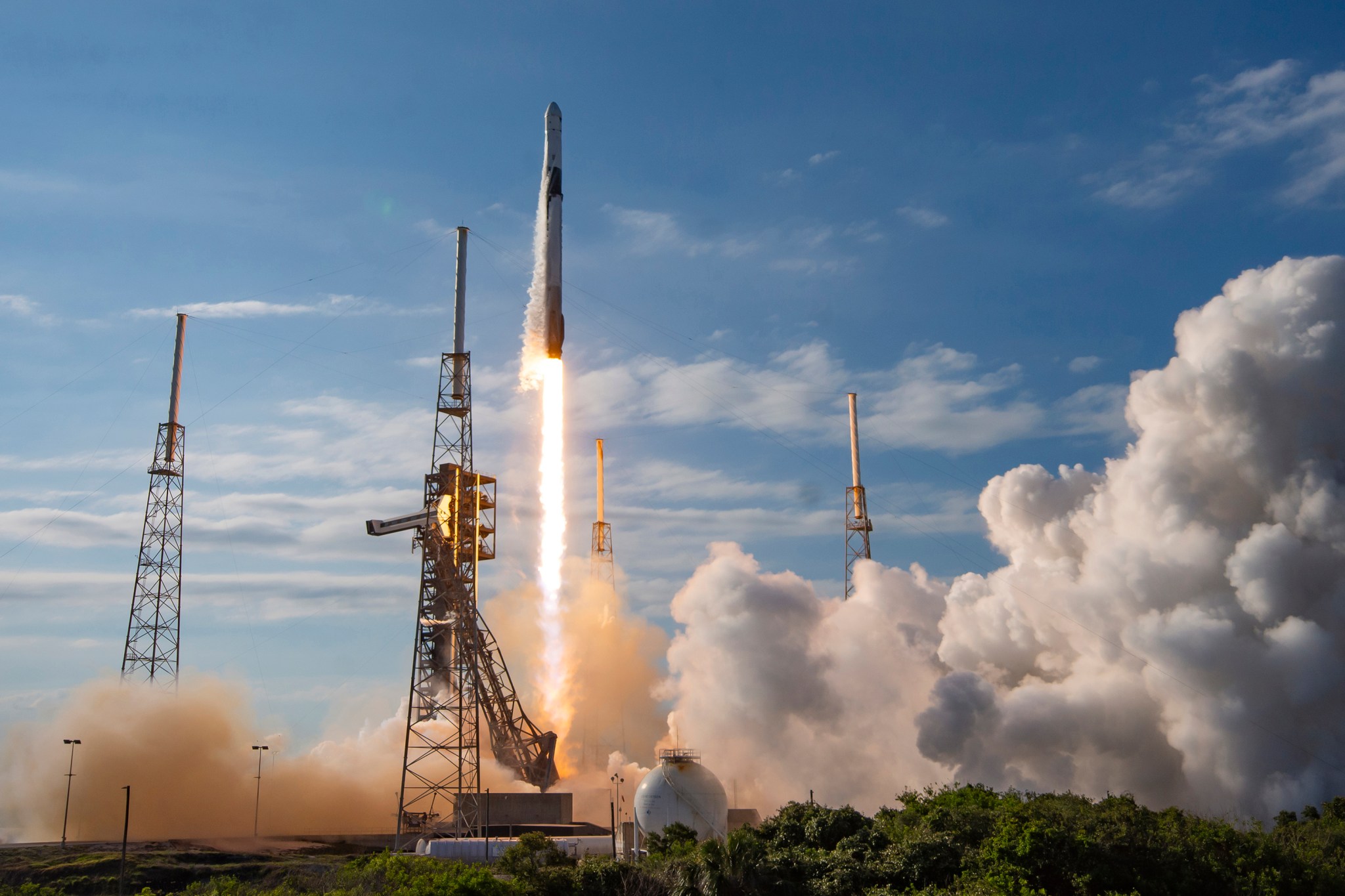
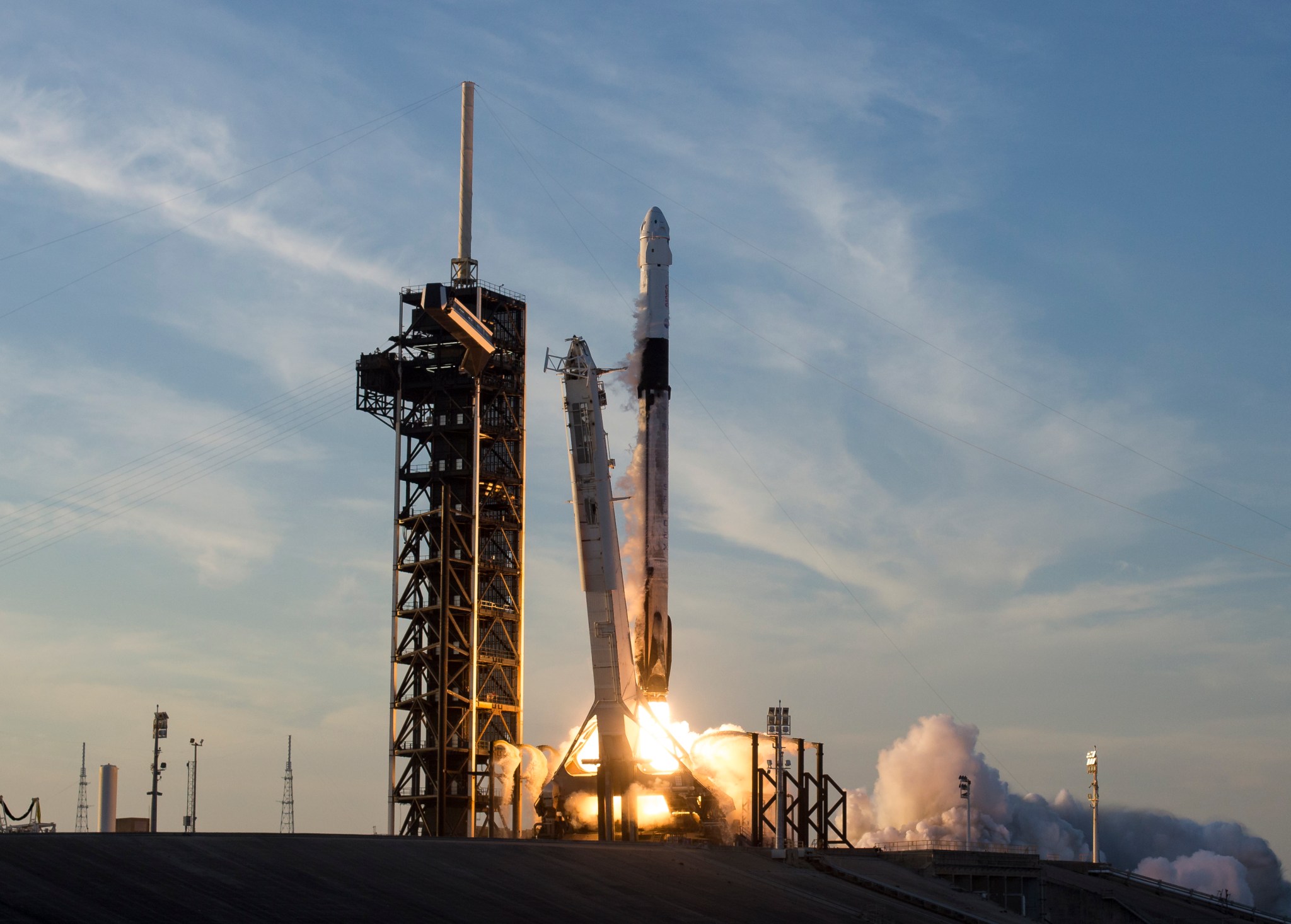
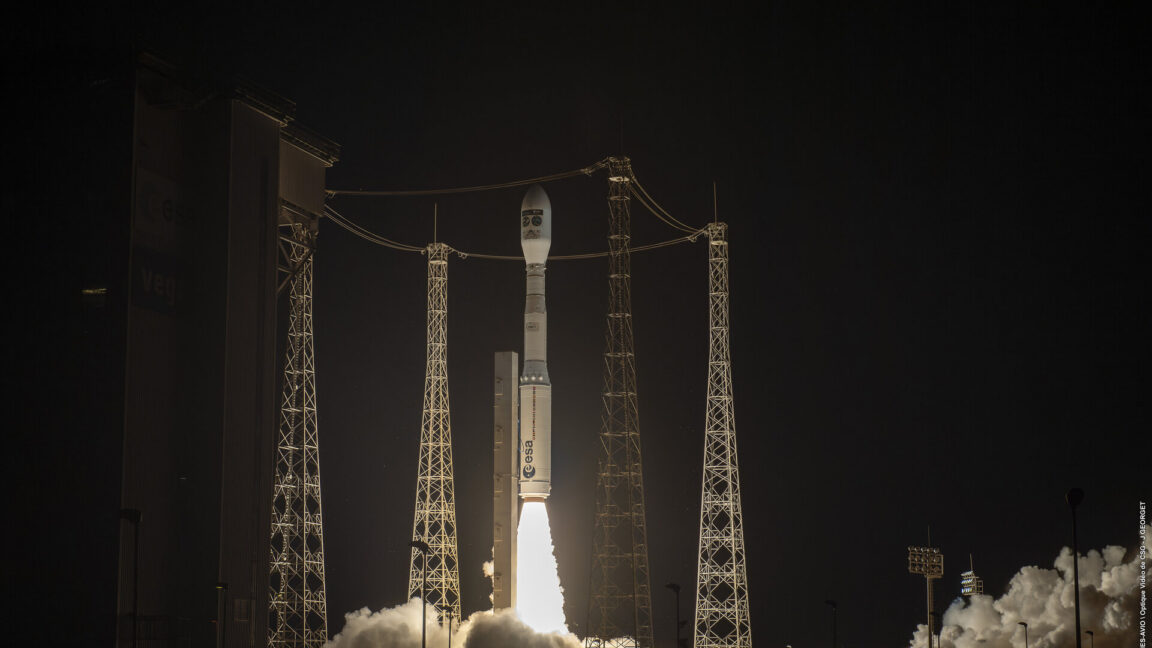
A launch vehicle carries payloads from Earth to a planned trajectory or orbit. Launch systems differ in payload capacity, design, reusability, location, and mission profile. A scheduled launch date can move because of weather, technical checks, range availability, or other constraints. The announcement of a target date is therefore not evidence that a launch has occurred. After launch, the vehicle must complete its flight plan and deploy or deliver the payload as intended. Mission updates and independent tracking help establish the outcome.
Launch success is only one part of a mission. A spacecraft may need to separate correctly, communicate, deploy equipment, reach a destination, or operate for years. Failure can occur at different stages, and the consequences vary by payload and mission. Launch providers and customers may report preliminary information first; official investigations can take longer. A careful timeline separates planned milestones, observed events, confirmed results, and unresolved causes. Comparisons among providers should account for the number and type of missions, payload mass, reliability definitions, and the period covered.
Satellites and orbital services
Satellites support communications, navigation, weather forecasting, Earth observation, scientific research, and national security. They operate in different orbital regimes, with distinct coverage, latency, lifetime, and observational characteristics. A low-Earth-orbit satellite circles relatively close to the planet and may require a constellation for continuous coverage. Geostationary satellites orbit at a distance and speed that make them appear fixed above a location, which is useful for some communications and weather services. Orbital choice involves engineering and mission trade-offs rather than a universal best option.
Satellite services depend on ground stations, spectrum rights, data processing, launch access, and maintenance. Earth-observation data can support agriculture, disaster response, climate research, and mapping, but interpretation requires attention to resolution, revisit frequency, calibration, and uncertainty. Commercial availability does not mean that data are unrestricted or equally accessible. Governments regulate radio spectrum and orbital operations, while international coordination addresses interference and shared use. Stories about satellite capacity should distinguish satellites announced, launched, operational, and providing a specified service.
Science missions and astronomy
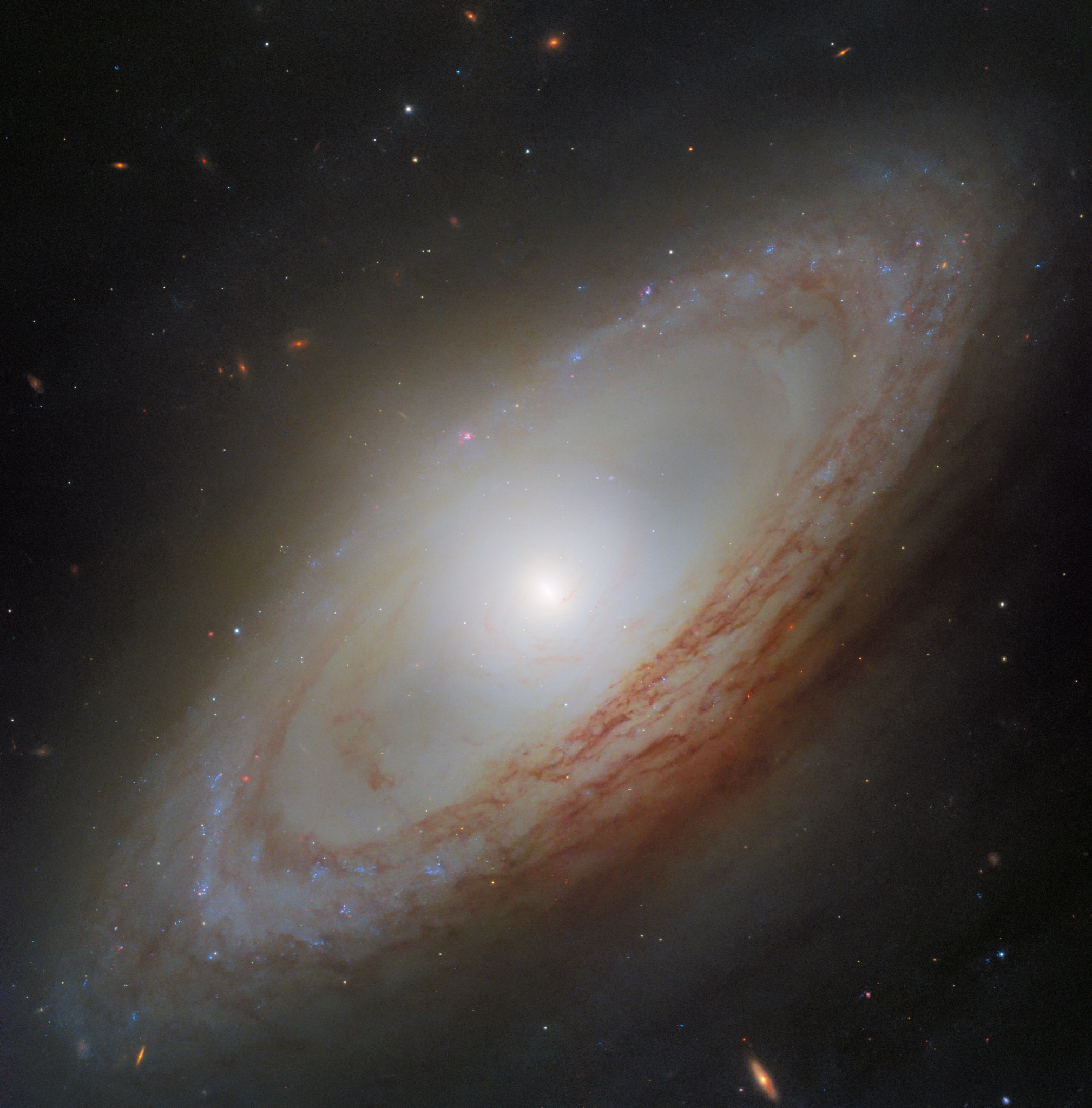
Scientific spacecraft investigate planets, moons, asteroids, the Sun, and the wider universe. Their instruments are designed for specific measurements, such as imaging, spectroscopy, particle detection, or gravitational observations. Mission teams analyze signals and calibrate instruments before drawing conclusions. A striking image may be processed to show features not visible to the unaided eye; image processing does not make it fictitious, but the method and color choices matter for interpretation. Researchers’ papers and agency mission pages can explain what was measured and what remains uncertain.
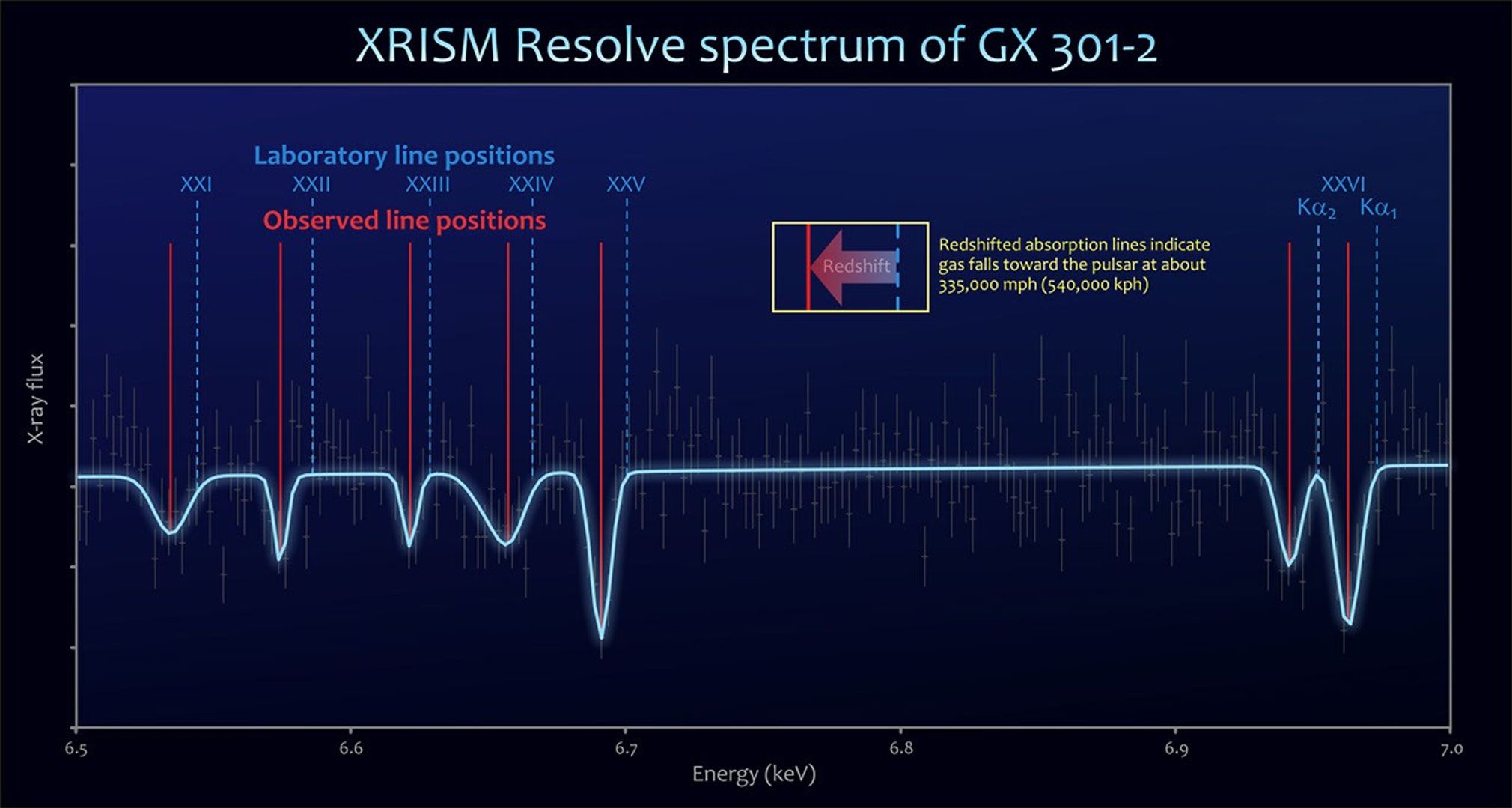
Astronomical discoveries often develop through multiple observations and independent analysis. A preliminary announcement may describe a candidate planet, unusual signal, or possible geological feature; follow-up work can strengthen, revise, or reject the interpretation. Scientists distinguish observation from explanation, and a result’s confidence depends on data quality, methods, and alternative explanations. Headlines that describe a discovery as proof of life or a settled account of the universe can overstate the evidence. The most useful coverage explains the instrument, the measured signal, the researchers’ interpretation, and the limits of the observation.
Human spaceflight
Human spaceflight involves vehicles, life-support systems, training, mission control, medical monitoring, and procedures for emergencies. Crewed missions may support scientific research, station operations, technology testing, or exploration objectives. A crew’s presence does not automatically make an activity scientifically valuable; the objectives and results need to be specified. Safety is a central concern because launch, re-entry, radiation, microgravity, and equipment failure pose different hazards. Mission plans include contingencies, and operational decisions can change in response to technical or medical conditions.
Space stations and crew programs are international and institutional undertakings. Public information may describe crew assignments, launch windows, research plans, and return schedules, all of which can change. Commercial providers may transport crew or cargo under agreements with government agencies, but the responsibilities and certification processes differ by program. Statements about future settlements, tourism, or long-duration missions should be understood as plans or ambitions unless milestones have been completed. Reporting can clarify which elements are operational, experimental, contracted, funded, or still conceptual.
Space sustainability and security
Earth orbit is a finite environment in which satellites and debris travel at high speed. Collisions can create additional debris, increasing risks to other spacecraft. Operators track objects, plan maneuvers, and may design satellites to deorbit or move to disposal orbits at the end of service. These practices do not eliminate risk, particularly when objects are difficult to track or operators cannot communicate. National and international guidelines address mitigation, but their adoption and enforcement vary. Discussions of sustainability should identify the relevant orbit, object population, and measures being considered.
Space systems also support military and critical civilian services, so governments consider resilience, surveillance, and security. A satellite can have both civilian and military applications. Reports about interference, jamming, cyber incidents, or destructive tests can be difficult to verify quickly and may involve classified information. Distinguishing confirmed technical evidence from official claims is especially important. International law and diplomatic arrangements shape activity, while national rules govern licensing and oversight. Coverage should avoid treating every dual-use capability as proof of hostile intent, while recognizing that dependence on space infrastructure creates real security questions.
How to evaluate space announcements
A reliable account separates a stated plan from a completed milestone. Check dates, mission identifiers, the responsible organization, and whether an independent tracker or regulator confirms the event. For scientific claims, consult papers, data releases, and expert commentary, noting whether research has undergone peer review. For company claims, identify whether figures refer to capacity, orders, revenue, or projected demand. Terms such as “first,” “largest,” and “breakthrough” require a clear comparison and source.
Space programs take years and often experience delays, redesigns, or changes in scope. A delay does not necessarily mean failure, just as a successful launch does not guarantee a mission’s scientific or commercial success. Timelines are best presented with the status and date of each milestone. Readers can compare statements from agencies, companies, regulators, researchers, and independent observers to see where accounts agree and differ. This method makes room for uncertainty without discounting genuine achievements, and it avoids presenting aspirations as completed facts.
Costs, objectives, and public value
A space mission can have several objectives: testing equipment, returning scientific observations, supplying an orbital station, or providing a commercial service. Evaluation should start with the stated objective and the evidence needed to establish success. Launching a vehicle is a meaningful engineering milestone, but it does not establish that instruments collected useful data or that customers received a dependable service. A mission can also achieve some objectives while missing others. Describe those results separately rather than reducing a complex operation to an unqualified success or failure.
Cost comparisons require a consistent boundary. A launch price may exclude satellite construction, integration, insurance, ground stations, operations, or replacement equipment. A government programme budget can include research and infrastructure shared by several missions. Commercial prices can reflect contracts that are not publicly available. Dividing a headline budget by the number of launches may therefore produce a misleading comparison. Readers should identify the accounting period, what is included, and whether a figure is a proposed appropriation, a contractual commitment, or money already spent.
For mission status, NASA publishes official programme material at https://www.nasa.gov/missions/ and ESA at https://www.esa.int/Science_Exploration. The United Nations Office for Outer Space Affairs publishes treaty texts at https://www.unoosa.org/oosa/en/ourwork/spacelaw/treaties.html. An agency announcement establishes what that agency reports; scientific interpretation may require the underlying instrument data and research paper. International legal texts provide context but do not settle every dispute about a particular national licence.