Gemini Astronaut Photos Inspired Early Earth Observation Program
First reported Fri, 13 Nov 2026 16:05:54 GMT · Last updated
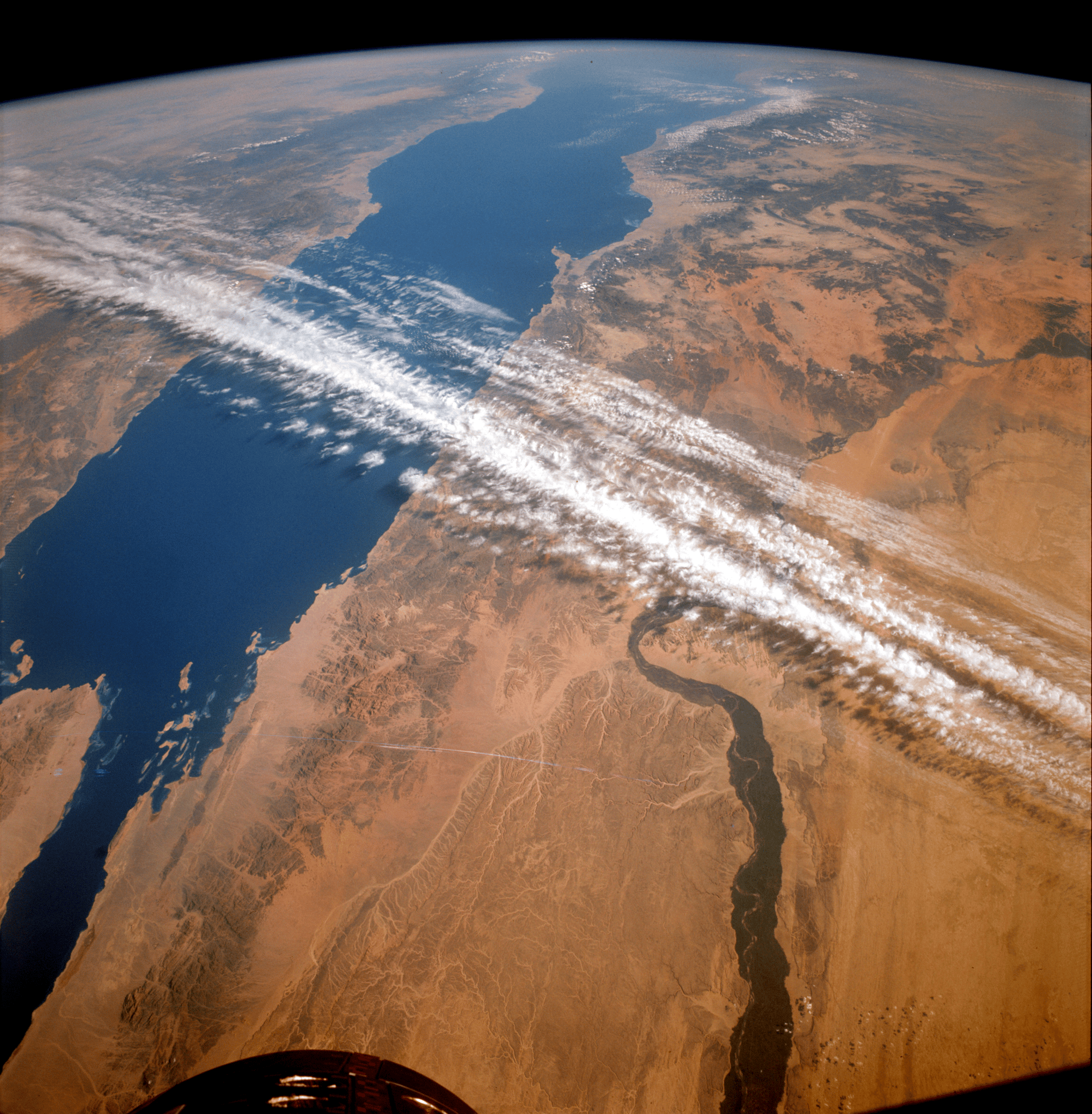
NASA astronauts James A. Lovell Jr. and Edwin E. “Buzz” Aldrin Jr. captured this image of the area surrounding the Red Sea and Nile river valley on November 14, 1966, during their four-day mission in space. Gemini XII was the final flight of NASA's Gemini Program. NASA Astronauts James A. Lovell Jr. and Edwin E. “Buzz” Aldrin Jr. orbited Earth from November 11 to 15, 1966, on Gemini XII , the final mission of NASA's Gemini program. In addition to successfully completing rendezvous maneuvers and spacewalks, procedures vital to sending American astronauts to the Moon, the crew was also spurring the development of a different field of exploration, observing Earth from space. The photos taken by Lovell, Aldrin, and other Gemini astronauts demonstrated the value of orbital imagery for studying Earth's surface. Their images helped scientists make the case for a dedicated Earth observation satellite program. One of strongest advocates for accelerating the use of Earth-observing satellites was William T. Pecora, the director of the United States Geological Survey from 1965 to 1971. In a 1969 statement, Pecora noted that the Earth Resources Observation Satellite (EROS) program he championed
1 source in this cluster
- NASAGemini Astronaut Photos Inspired Early Earth Observation Program
NASA astronauts James A. Lovell Jr. and Edwin E. “Buzz” Aldrin Jr. captured this image of the area surrounding the Red Sea and Nile river valley on November 14, 1966, during their four-day mission in space. Gemini XII was the final flight of NASA's Gemini Program. NASA Astronauts James A. Lovell Jr. and Edwin E. “Buzz” Aldrin Jr. orbited Earth from November 11 to 15, 1966, on Gemini XII , the final mission of NASA's Gemini program. In addition to successfully completing rendezvous maneuvers and spacewalks, procedures vital to sending American astronauts to the Moon, the crew was also spurring the development of a different field of exploration, observing Earth from space. The photos taken by Lovell, Aldrin, and other Gemini astronauts demonstrated the value of orbital imagery for studying Earth's surface. Their images helped scientists make the case for a dedicated Earth observation satellite program. One of strongest advocates for accelerating the use of Earth-observing satellites was William T. Pecora, the director of the United States Geological Survey from 1965 to 1971. In a 1969 statement, Pecora noted that the Earth Resources Observation Satellite (EROS) program he championed
Fri, 13 Nov 2026 16:05:54 GMT
Timeline
- 2026-11-13 16:05NASA — Gemini Astronaut Photos Inspired Early Earth Observation Program
How to read this page
- Headlines, quotes and facts come from the linked original articles (reporting).
- "Newsei analysis" and "Why it matters" are AI-assisted synthesis (inference).
- "Confirmed" means two or more independent outlets reported the same claim.
Methodology · Source profiles & bias labels · Corrections policy · Report an error: info@newsei.com
Share this timeline
Embed shows this story's live timeline on your own site and links back here.