Finding the cells that put our brain to sleep
First reported Fri, 18 Sep 2026 17:49:50 GMT · Last updated
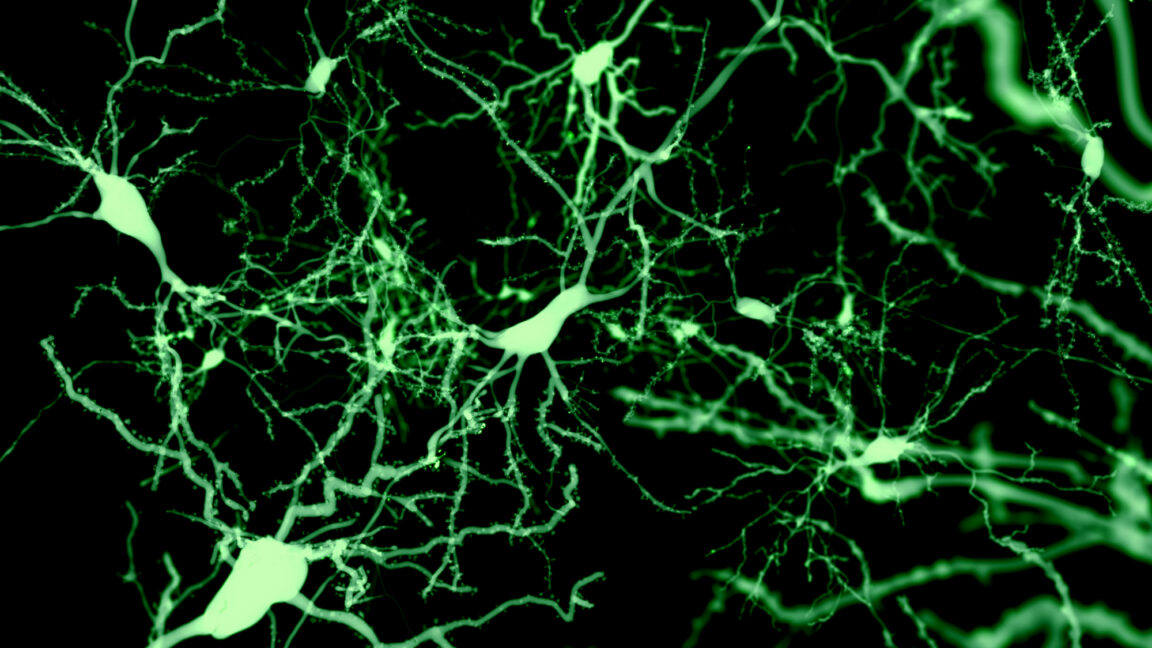
For a long time, sleep research has treated the cerebral cortex as a passive follower reacting to signals from the deep brain. “Usually, sleep is associated with being controlled by subcortical regions,” said Geoffrey Terral, a neuroscientist at the Albert Einstein College of Medicine in New York. The cortex is where the slow rhythms of deep sleep can be seen, but researchers assumed the signals that triggered them originated elsewhere. In a recent Nature study, Terral and Renata Batista-Brito, who runs the lab, report a population of cortical cells that challenges that assumption. These cortical cells make up only around one percent of the cortex's inhibitory neurons, and switching them on in a mouse puts the animal to sleep. “What our work shows is that the cortex can not only see this rhythm but also initiate it by itself, and this is sufficient to promote sleep,” Terral said. Read full article Comments ]]>
1 source in this cluster
- Ars TechnicaFinding the cells that put our brain to sleep
For a long time, sleep research has treated the cerebral cortex as a passive follower reacting to signals from the deep brain. “Usually, sleep is associated with being controlled by subcortical regions,” said Geoffrey Terral, a neuroscientist at the Albert Einstein College of Medicine in New York. The cortex is where the slow rhythms of deep sleep can be seen, but researchers assumed the signals that triggered them originated elsewhere. In a recent Nature study, Terral and Renata Batista-Brito, who runs the lab, report a population of cortical cells that challenges that assumption. These cortical cells make up only around one percent of the cortex's inhibitory neurons, and switching them on in a mouse puts the animal to sleep. “What our work shows is that the cortex can not only see this rhythm but also initiate it by itself, and this is sufficient to promote sleep,” Terral said. Read full article Comments ]]>
Fri, 18 Sep 2026 17:49:50 GMT
Timeline
- 2026-09-18 17:49Ars Technica — Finding the cells that put our brain to sleep
How to read this page
- Headlines, quotes and facts come from the linked original articles (reporting).
- "Newsei analysis" and "Why it matters" are AI-assisted synthesis (inference).
- "Confirmed" means two or more independent outlets reported the same claim.
Methodology · Source profiles & bias labels · Corrections policy · Report an error: info@newsei.com
Share this timeline
Embed shows this story's live timeline on your own site and links back here.