APOD: 2026 September 18 – Messier 33: The Triangulum Galaxy
First reported Fri, 18 Sep 2026 04:05:00 GMT · Last updated
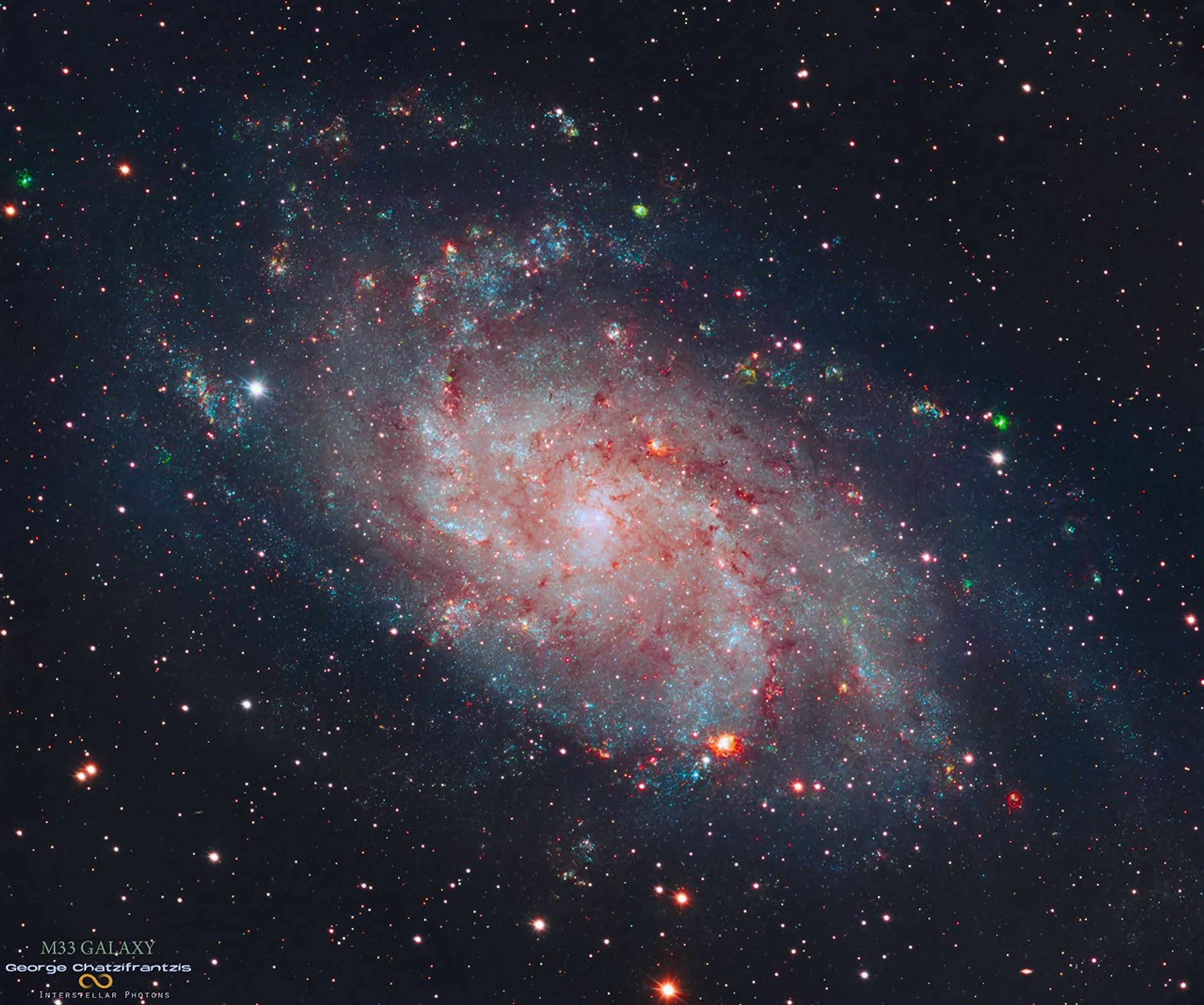
APOD Science APOD APOD: 2026 September 18 –… Today’s APOD Archive Submissions Index Search Calendar RSS Education About Discuss APOD Astronomy Picture of the Day Discover the cosmos! Each day a different image or photograph of our fascinating universe is featured, along with a brief explanation written by a professional astronomer. Messier 33: The Triangulum Galaxy Explanation: The small, northern constellation Triangulum harbors this magnificent face-on spiral galaxy, Messier 33. Its popular names include the Pinwheel Galaxy or just the Triangulum Galaxy . M33 is over 50,000 light-years in diameter, third largest in the Local Group of galaxies after the Andromeda Galaxy (M31), and our own Milky Way. About 3 million light-years from the Milky Way, M33 is itself thought to be a satellite of the Andromeda Galaxy and astronomers in these two galaxies would likely have spectacular views of each other’s grand spiral star systems. As for the view from the Milky Way, this sharp telescopic image shows off M33’s blue star clusters and pinkish star forming regions along the galaxy’s loosely wound spiral arms. In fact, the cavernous NGC 604 is the brightest star forming region, seen here at a
1 source in this cluster
- NASAAPOD: 2026 September 18 – Messier 33: The Triangulum Galaxy
APOD Science APOD APOD: 2026 September 18 –… Today’s APOD Archive Submissions Index Search Calendar RSS Education About Discuss APOD Astronomy Picture of the Day Discover the cosmos! Each day a different image or photograph of our fascinating universe is featured, along with a brief explanation written by a professional astronomer. Messier 33: The Triangulum Galaxy Explanation: The small, northern constellation Triangulum harbors this magnificent face-on spiral galaxy, Messier 33. Its popular names include the Pinwheel Galaxy or just the Triangulum Galaxy . M33 is over 50,000 light-years in diameter, third largest in the Local Group of galaxies after the Andromeda Galaxy (M31), and our own Milky Way. About 3 million light-years from the Milky Way, M33 is itself thought to be a satellite of the Andromeda Galaxy and astronomers in these two galaxies would likely have spectacular views of each other’s grand spiral star systems. As for the view from the Milky Way, this sharp telescopic image shows off M33’s blue star clusters and pinkish star forming regions along the galaxy’s loosely wound spiral arms. In fact, the cavernous NGC 604 is the brightest star forming region, seen here at a
Fri, 18 Sep 2026 04:05:00 GMT
Timeline
- 2026-09-18 04:05NASA — APOD: 2026 September 18 – Messier 33: The Triangulum Galaxy
How to read this page
- Headlines, quotes and facts come from the linked original articles (reporting).
- "Newsei analysis" and "Why it matters" are AI-assisted synthesis (inference).
- "Confirmed" means two or more independent outlets reported the same claim.
Methodology · Source profiles & bias labels · Corrections policy · Report an error: info@newsei.com
Share this timeline
Embed shows this story's live timeline on your own site and links back here.